
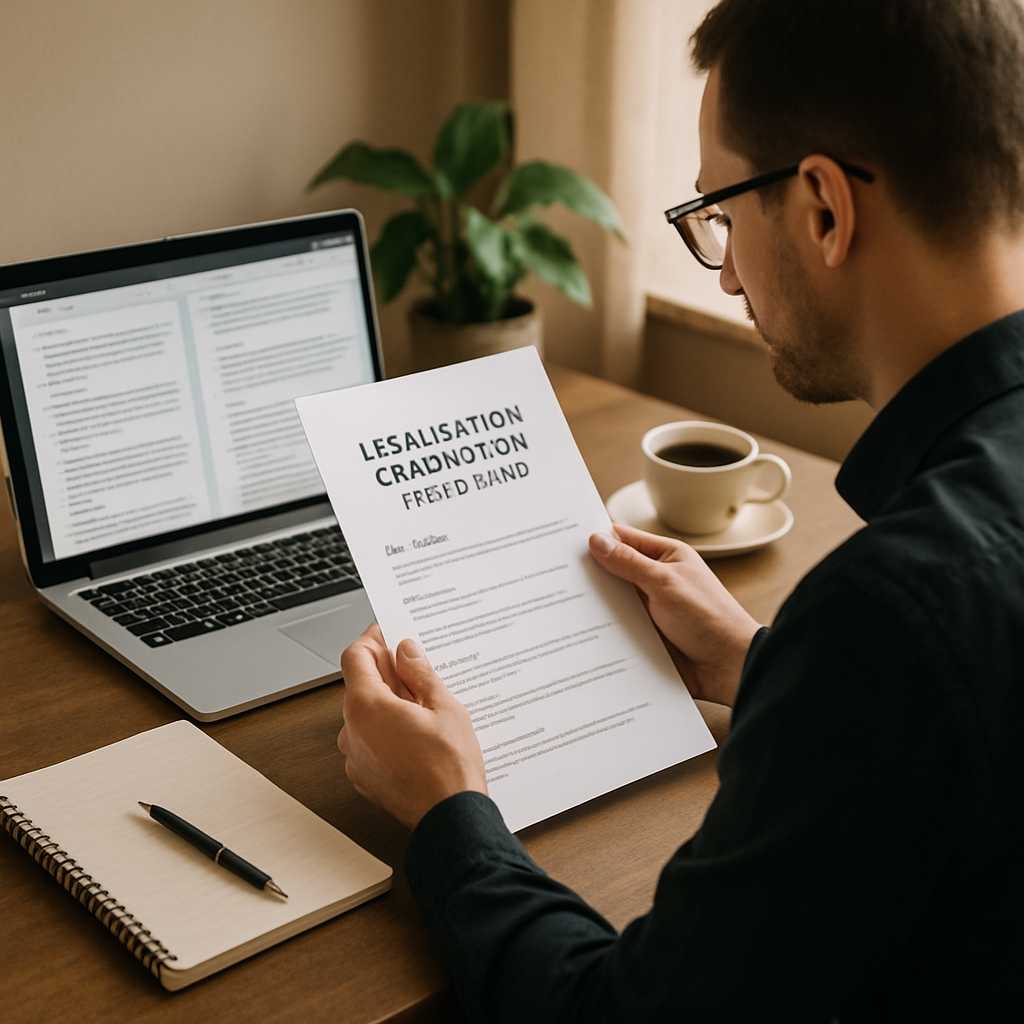
Certified Translation and Legalisation: What to Check First
Translation, notarisation and legalisation are different steps. A document may need only a certified translation, or the receiving authority may also ask for a notarised copy, an apostille or further embassy legalisation. The correct route depends on the document, the country where it will be used and the recipient’s instructions.
For UK documents, the official legalisation process is handled by the Legalisation Office. The current process and document eligibility are explained on GOV.UK.
Legalisation Certified Translation Checklist
- Identify the receiving authority. Ask exactly what they require before ordering additional certification.
- Confirm the document origin. UK-issued and overseas-issued documents can follow different legalisation routes.
- Check whether a certified translation is required. If so, confirm the source and target language and whether the recipient has wording or format requirements.
- Check whether notarisation is required. Some documents need a UK notary or solicitor before the Legalisation Office can act.
- Check whether an apostille is required. Not every translated document needs one.
- Confirm the order of steps. The translation may be needed before or after legalisation depending on the recipient’s instructions.
- Send the complete document. Include every relevant page, stamp, seal, signature and annotation.
- Keep the original-language document available. The recipient may need to compare it with the translation.
What Should the Certified Translation Include?
The translation should reproduce the relevant text completely and carry the certification details required for the submission. For UK official use, this commonly includes a statement confirming accuracy together with the translator or translation company’s identifying and contact information.
Do You Need the Original Document?
A clear scan can often be used to assess and quote a translation, but legalisation has separate document rules. The Legalisation Office may require an original, certified copy or an electronically signed PDF depending on the document and apostille type. Check the current official instructions before posting or uploading anything.
Avoid Ordering More Certification Than You Need
One of the most common mistakes is treating “certified”, “notarised”, “apostilled” and “legalised” as interchangeable. They are not. Start with the receiving authority’s requirement, then choose the minimum route that satisfies it.
If you need help separating the translation step from the legalisation step, see our apostille and legalisation support for translations. To submit the document for review, start your order.
Need a certified translation?
Send us your document and tell us where it will be used. We'll help you confirm the right certification and provide a quotation.
Request a quote